Focused arrival windows
Useful updates and clear arrival timing.

If your upstairs rooms roast in July and your heating bill spikes every January, the problem is usually above your ceiling, not inside your furnace. Our roof insulation West Babylon NY service seals the attic plane with blown-in fiberglass, rigid foam board, and code-correct ventilation so conditioned air stays where you paid for it. We handle capes, colonials, and flat-roof ranches across Suffolk County.
Useful updates and clear arrival timing.
Review the approach and price before deciding.
Equipped vehicles and respectful cleanup.
Neighbors serving neighbors with follow-through.
Every job starts with a free attic assessment and a flat written quote. What follows depends on your roof assembly, but here is what is standard on most West Babylon installations.
We measure existing insulation depth, check for moisture and condensation, and photograph the deck. You get a written R-value recommendation and a flat quote the same day. No charge, no obligation, and no pressure to book on the spot.
Foam and caulk around top plates, wire penetrations, can lights, and chimney chases. This is the step that makes the insulation actually perform. Skipping it is the number one reason insulation jobs fail to deliver the promised bill savings.
We check soffit intake and ridge or box vent exhaust, then add baffles or a new ridge vent if the balance is off. Insulation without ventilation traps moisture, and trapped moisture is what causes rot, mold, and ice dams.
Blown-in fiberglass or cellulose to R-49 or better for vented attics, or rigid polyiso board under a new membrane for flat roofs. We mark the finished depth at three points so you can verify the R-value yourself.
Before-and-after photos of the sealed penetrations and finished insulation, sent to you by text. If you ever sell the house or file an insurance claim, you have a record of exactly what was installed and when.
Share what is happening and receive a clear next step from the local team.
Roof insulation West Babylon NY is the layer of material installed at the roof deck or attic floor that slows heat transfer between your living space and the outside air. On a steep-slope roof we work from inside the attic, air-sealing gaps around chimneys, can lights, and top plates before blowing in fiberglass or cellulose to the target R-value. On flat and low-slope roofs we install rigid polyiso board under a new EPDM membrane or modified bitumen cap sheet, which is how most West Babylon commercial buildings and flat-roof ranches get their R-value.
Long Island's freeze-thaw cycle is brutal on under-insulated homes. Warm air escapes through the ceiling, hits the cold roof deck, and condenses into frost; when it melts, you get attic condensation, stained drywall, and ice dams at the eaves. If you have been searching for roof insulation near me West Babylon NY because of a drafty second floor or a heating bill that jumped again this year, the fix is almost always the same: more R-value, better air sealing, and balanced intake and exhaust ventilation.
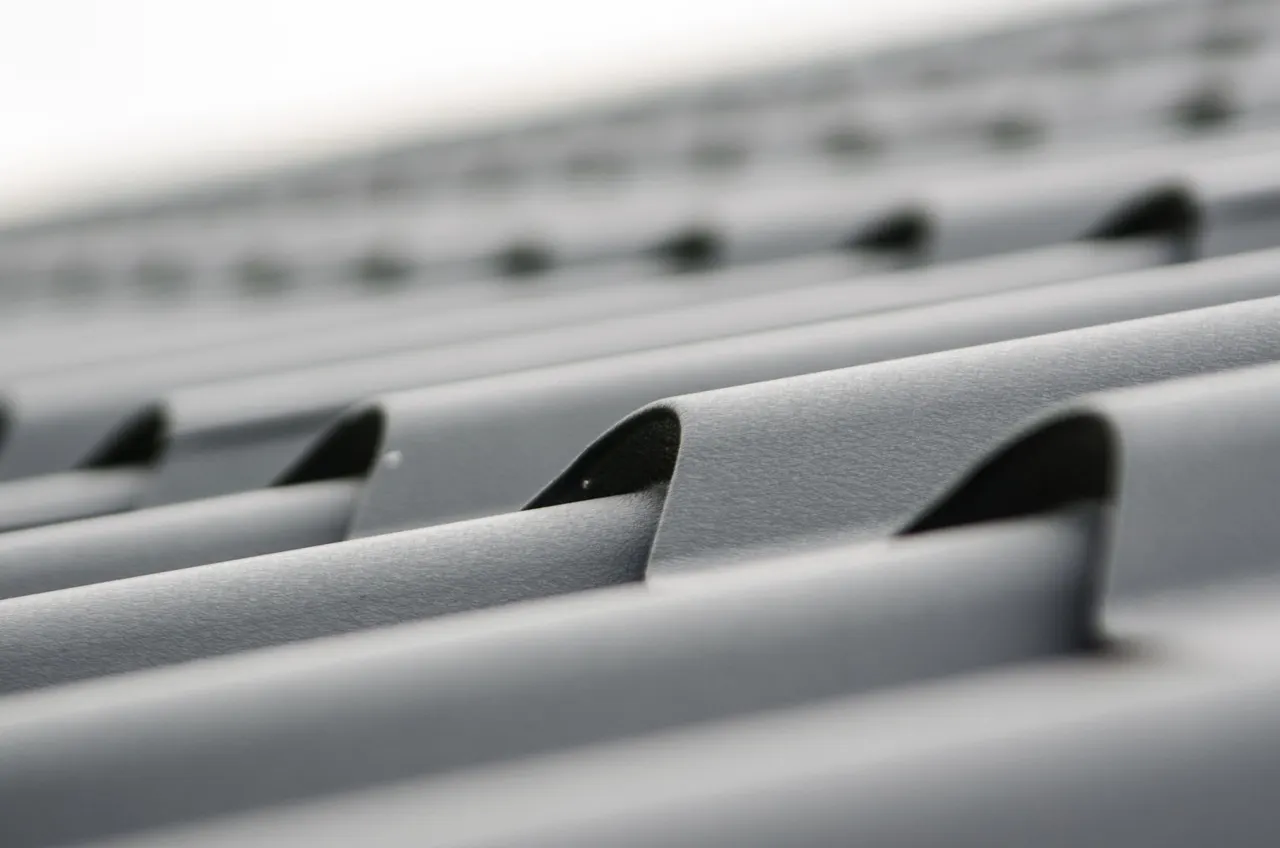
We climb into the attic with a flashlight, moisture meter, and infrared thermometer. We measure existing insulation depth, check for attic condensation on the roof deck, and photograph any wet sheathing or mold. You get a written R-value recommendation and a flat quote the same day, usually within two hours of the visit.
Before any insulation goes down, we seal the leaks that waste the most heat. That means foam around wire penetrations, can lights, chimney chases, and top plates. This step takes two to four hours on a typical 1,200 square foot attic and is the single biggest reason the job performs as promised.
We verify intake at the soffits and exhaust at the ridge vent or box vents. If the balance is off, we add baffles or a new ridge vent before insulating. Insulation without ventilation traps moisture, and trapped moisture is how you get rot and ice dams even after you paid for more R-value.
For attics we blow fiberglass or cellulose to the target depth, typically R-49 to R-60 for this climate zone. For flat roofs we cut and fit rigid polyiso board, tape the seams, and set it under the new membrane. The install itself runs three to five hours on most residential jobs.
We mark the finished depth with a ruler at three points so you can see the R-value, photograph the sealed penetrations, and walk the exterior for any shingle or flashing issues. You get the photos by text and a written summary of what was done and what to watch for next season.
For blowing fiberglass and cellulose to a uniform depth across the attic floor. We use a calibrated hopper so the R-value comes out even, not thick in one corner and thin in another.
For finding cold spots, air leaks, and moisture on the roof deck before we insulate. It shows us exactly where the heat is escaping so we seal the right spots instead of guessing.
For checking whether existing insulation and decking are wet. Wet insulation has to come out before new material goes in, or the job fails within a season.
For fastening rigid polyiso board and cap sheets on flat-roof jobs. Consistent fastener depth and spacing is what keeps the membrane from lifting at the edges.
For safe access on steep-slope roofs and two-story homes. Every crew member is tied off above six feet, no exceptions, and we set the stabilizer before anyone goes up.
We seal top plates, wire penetrations, can lights, and chimney chases with foam and caulk before any insulation goes down. This is the single biggest factor in whether the job delivers the promised bill savings. Skipping it is why so many insulation jobs underperform.
We verify soffit intake and ridge or box vent exhaust, then add baffles or a new ridge vent if the balance is off. Insulation without ventilation traps moisture, and trapped moisture causes rot, mold, and ice dams even after you paid for more R-value.
Long Island sits in a climate zone that calls for R-49 to R-60 in vented attics. We measure the existing depth, calculate the gap, and blow to the target. You get a marked depth at three points so you can verify the result yourself.
Flat and low-slope roofs get rigid polyiso board rather than blown-in material, because blown-in settles and holds moisture on a flat deck. We cut, fit, and tape the board, then set the EPDM or modified bitumen cap sheet over it.

We remove the compacted material where needed, air seal the top plates and penetrations, and blow in fresh fiberglass to R-49. The whole job usually finishes in one day with no disruption to the house. You get a measurable drop in winter heating costs and an upstairs that holds temperature instead of swinging 8 degrees with the thermostat.
We tear off to the deck, install new rigid polyiso board, and set a modified bitumen or EPDM cap sheet on top. Work is phased around your tenants so nobody loses access. A new roof with a documented R-value that meets current energy code, plus a manufacturer warranty on the full assembly.
We inspect the attic, measure insulation depth, and check the ventilation balance. In most cases the fix is air sealing plus added R-value, not another roof replacement. No more ice dams, no more meltwater staining the ceiling, and a roof deck that stays dry through the freeze-thaw cycle.
We air seal and insulate the attic plane, then verify the ridge vent and soffit intake are balanced. If the attic is hot and dry, the insulation will hold the cool air where it belongs. A cooler upstairs, a shorter AC run cycle, and lower summer electric bills without touching the air conditioning system.
West Babylon sits in the middle of Long Island's freeze-thaw belt, where a January warm spell can melt two inches of snow in an afternoon and refreeze it at the eaves by dark. That cycle is what drives most of our insulation calls. The housing stock here splits into three groups: 1950s capes with knee-wall attics and three inches of old fiberglass, 1970s colonials with cathedral ceilings that have no attic space at all, and flat-roof ranches and small commercial buildings that need rigid board under a membrane. Each one gets a different approach. For the capes we air seal and blow to R-49. For cathedral ceilings we work from the roof side with rigid board and a thermal break. For flat roofs we install polyiso under EPDM or modified bitumen. We pull permits where the work requires it and build to current New York energy code. If you are comparing roof insulation and ventilation West Babylon NY options, the honest answer is that the two are not separate jobs. Insulation without ventilation traps moisture, and ventilation without insulation just moves cold air through an empty attic.
Mostly 1950s and 1960s capes and ranches with knee-wall attics. We see a lot of compacted old fiberglass and unsealed top plates, which is why air sealing matters so much on these homes.
Older homes with knob-and-tube wiring in the attic. We work carefully around it and coordinate with an electrician if the insulation depth would bury the runs.
Mix of 1970s colonials with cathedral ceilings and newer construction. Cathedral ceilings need rigid board from the roof side rather than blown-in material.
Small commercial and mixed-use buildings with flat roofs. These get rigid polyiso board under modified bitumen or EPDM, sized for foot traffic and HVAC equipment loads.
Meltwater refreezes at the eaves and backs under shingles. Proper insulation and ventilation bring the deck closer to outdoor temperature, which stops the meltwater cycle before it starts.
An under-insulated attic bakes the second floor and forces the AC to run nonstop. Adding R-value and sealing air leaks cuts the cooling load without touching the HVAC system.
Attic condensation is common here, especially where bath fans vent into the attic instead of outside. We fix the vent path before insulating so the new material stays dry.
A 1950s cape and a 2010 colonial need different assemblies. We spec the R-value and ventilation to the actual house, not to a one-size template.
A 1958 cape with three inches of compacted fiberglass, unsealed top plates, and a bath fan venting straight into the attic. The upstairs ran 8 degrees warmer than downstairs in summer and the winter gas bill was $340 a month.
We air sealed the penetrations, rerouted the bath fan outside, and blew fiberglass to R-49. The next winter gas bill came in at $255 a month, and the upstairs now holds within 2 degrees of the first floor.
Maintenance: Keep the bath fan vent clear and check the attic once a year for any new penetrations. If you add a recessed light or run new wiring, seal the hole before winter.
A flat-roof ranch with ponding water at the low corner and saturated polyiso board underneath. The ceiling had two brown water stains and the interior smelled musty after every rain.
We tore off to the deck, corrected the pitch, installed new rigid polyiso board, and set a modified bitumen cap sheet. No ponding after the next storm, and the interior moisture readings dropped to normal within a week.
Maintenance: Clear the drains twice a year and after every heavy storm. Ponding water is the number one killer of flat-roof insulation, and it is easy to spot from the ground.
A 1975 colonial with ice dams every winter and meltwater staining the ceiling above the back door. The attic had R-19 batts between the joists with the kraft facing installed backward, trapping moisture against the deck.
We removed the failed batts, air sealed, installed baffles at the soffits, added a ridge vent, and blew in cellulose to R-49. No ice dams this past winter and the ceiling stain has not grown.
Maintenance: Check the ridge vent and soffit intake each fall before the first freeze. If snow starts melting at the ridge while the eaves stay white, call us.
Most West Babylon insulation calls start with one of these four complaints. Each one has a specific cause and a specific fix.
Your HVAC runs longer, your bill climbs, and the second floor stays uncomfortable no matter what you set the thermostat to. Over a full winter that adds up to hundreds of dollars wasted. We air seal the attic plane and bring the R-value up to R-49 or better. That stops the heat loss that makes the upstairs swing with the thermostat. Most customers notice the difference within the first cold snap after installation.
Meltwater backs under the shingles, rots the fascia, and stains the interior ceiling. Left alone, it also soaks the insulation, which then loses most of its R-value and has to be replaced. We bring the roof deck closer to outdoor temperature with proper insulation and ventilation, then verify the ridge vent and soffit intake. That stops the meltwater cycle at the source instead of just chipping ice off the gutter every January.
Warm humid air hits the cold roof deck, condenses, and drips. Over time it rots the sheathing, feeds mold, and shortens the life of the entire roof assembly, not just the insulation. We find the moisture source first, whether it is a bath fan, a chimney chase, or a leak, and fix it before insulating. Then we seal and insulate so the attic stays dry. Insulating over an active moisture problem makes it worse.
If your attic is under-insulated or full of air leaks, you are heating the outdoors all winter. On a typical West Babylon ranch that can mean 40 to 60 percent of your heat going straight through the ceiling. We measure existing depth, air seal the penetrations, and bring the R-value up to code. The cost to insulate roof West Babylon New York is usually paid back in bill savings within a few heating seasons, and the comfort improvement is immediate.
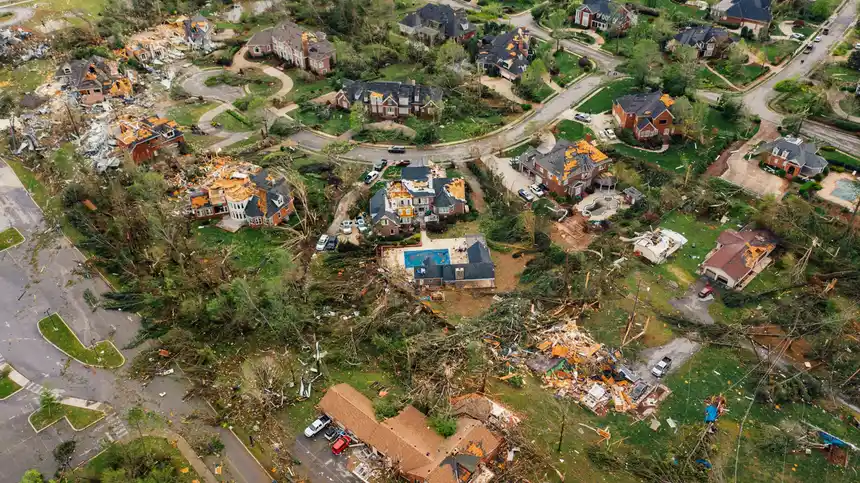
Our upstairs was always 10 degrees hotter than downstairs. The crew air sealed around the chimney and can lights, then blew in fiberglass to R-49. First winter gas bill dropped about $70 a month. They marked the depth on the joists so I could see it myself. No upsell, no drama.
We had ice dams two winters in a row and water coming in over the back door. Roofing West Babylon found the bath fan dumping humid air straight into the attic. They fixed the vent, sealed the leaks, and insulated. No ice dams this past winter, and the attic finally smells dry.
We manage a small strip of flat-roof commercial units on Route 109. They installed rigid polyiso under a new modified bitumen cap and documented the R-value for our records. Work was phased so our tenants never lost access. Straight pricing, clean job site, no surprises.
Most attic jobs in West Babylon run $1,800 to $4,500 in 2026, depending on square footage, existing depth, and how much air sealing is needed. Flat-roof rigid board under a new membrane adds $2.50 to $4.00 per square foot. The attic assessment is free, and you get a flat written number before we start.
Blown-in fiberglass or cellulose at R-49 to R-60 is the best fit for vented attics in this climate zone. For flat and low-slope roofs, rigid polyiso board under EPDM or modified bitumen performs better because it will not settle or hold moisture. We match the material to your roof assembly, not to a sales sheet.
Yes. Air sealing plus R-49 insulation typically cuts ceiling heat loss by 40 to 60 percent on an older Long Island home. Customers on the PSEG territory usually see the difference in the first full winter billing cycle. The bigger the gap between your upstairs and downstairs temperatures, the more you will notice.
It prevents the cause. Ice dams form when attic heat melts snow at the ridge and it refreezes at the cold eaves. Insulation and air sealing bring the roof deck closer to outdoor temperature, which stops the meltwater cycle. We also verify ridge vent and soffit intake so the assembly breathes correctly.
Not seeing your question? Our local team can help you understand urgency, scheduling and what to expect.
Ask the local team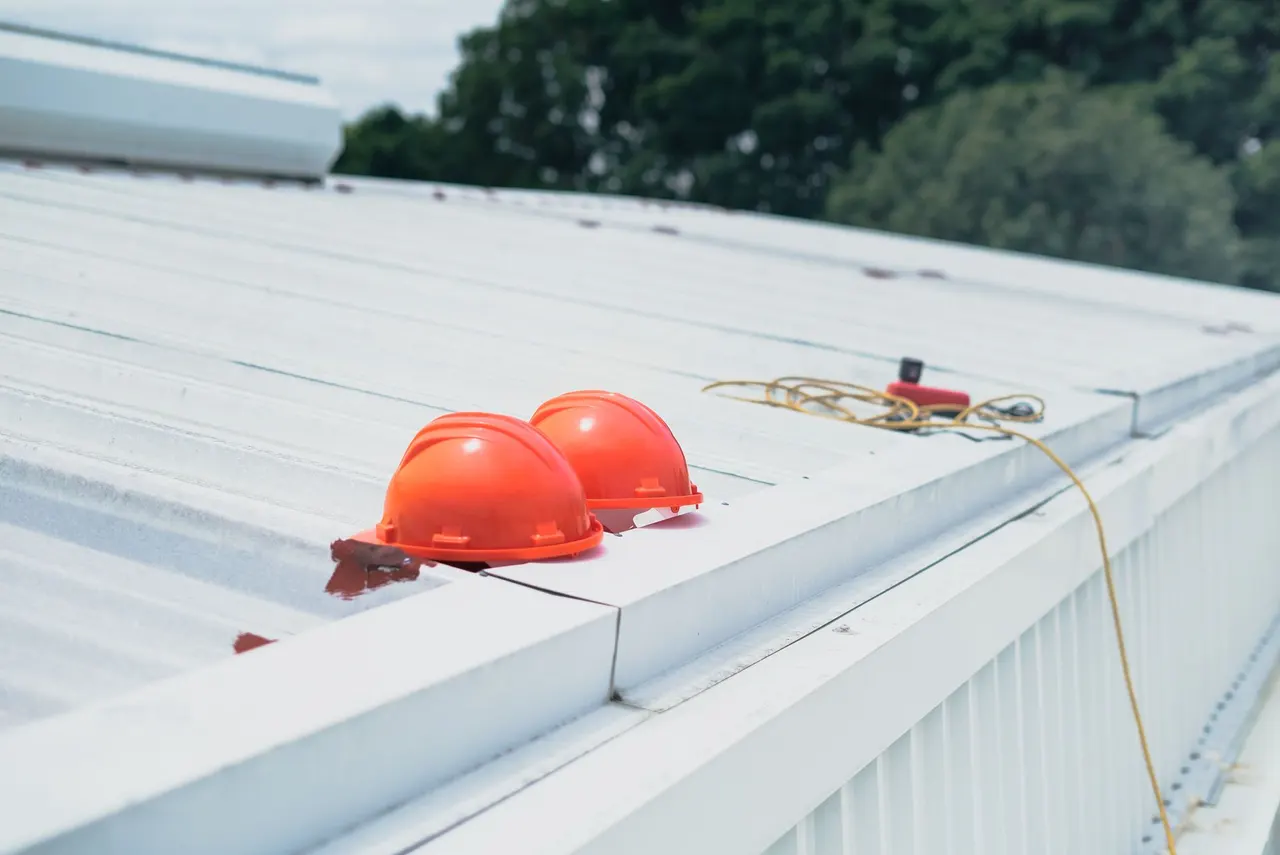
New roof installation is the best time to upgrade insulation, because the deck is open and we can add rigid board or a peel-and-stick underlayment in one pass. We quote both together so you see the combined cost before you commit.
View service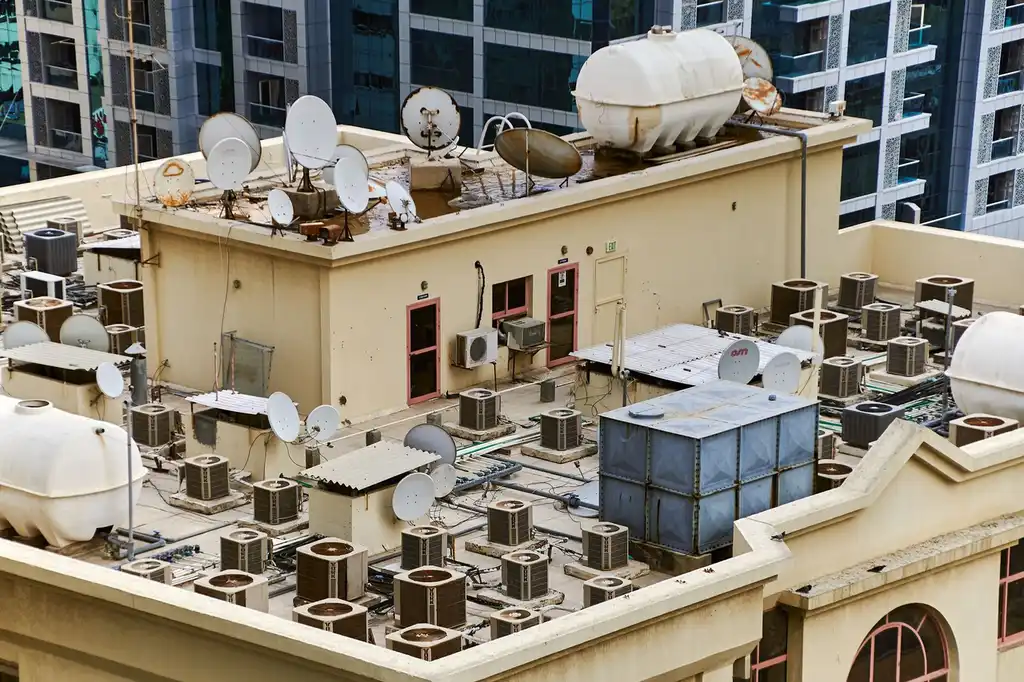
If your shingles are at the end of their life, replacing the roof and adding insulation in the same project saves the tear-off and reinstall labor twice. We handle full replacements with GAF and Owens Corning systems across West Babylon and Suffolk County.
View service
A leak that keeps coming back is often a ventilation problem, not a shingle problem. We repair the flashing or shingle field and check whether attic condensation is feeding the leak. Fixing both at once is how you stop the callback cycle.
View serviceOur inspection covers the shingle field, flashing, ridge vent, and attic side of the deck. You get photos of anything that needs attention and a straight answer on whether insulation is worth doing now or after a repair. No charge for the assessment.
View service
Call us at 345324674 and you will reach a person, not a call center. We answer weekdays from 8 a.m. to 6 p.m. and keep an emergency line open around the clock. Most West Babylon estimates are scheduled the same day you call.