Focused arrival windows
Useful updates and clear arrival timing.
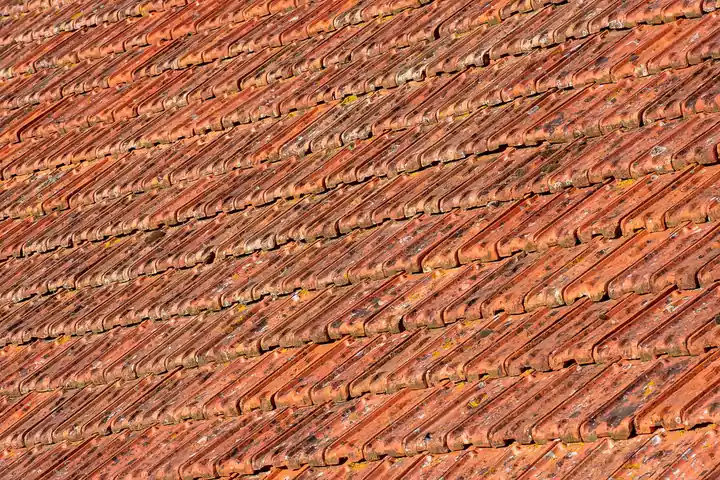
Roofing in West Islip means dealing with salt air, tree canopy debris and roofs that have taken 25 years of nor'easters. We handle roof repair, full replacement, flat roof systems and emergency tarping for homeowners from Montauk Highway down to West Islip Beach. Same-day estimates, code-correct work, and a crew that knows exactly what Great South Bay weather does to a roof.
Useful updates and clear arrival timing.
Review the approach and price before deciding.
Equipped vehicles and respectful cleanup.
Neighbors serving neighbors with follow-through.
Roofing in West Islip is not the same job as roofing in a dry inland town. Homes here sit between the Great South Bay and the Atlantic fetch, which means wind-driven rain, salt spray and summer humidity that punish underlayment and flashing. We have worked Suffolk County roofs since 2006, and West Islip is one of our core service areas. Our crews run GAF and Owens Corning systems on pitched roofs and Firestone and Carlisle Syntec membrane on the flat sections over garages and additions. We pull permits, we follow NY building code, and we leave the yard clean. Whether you need a same-day roof repair in West Islip New York or a full tear-off, you get a written scope and a fixed price before we start.
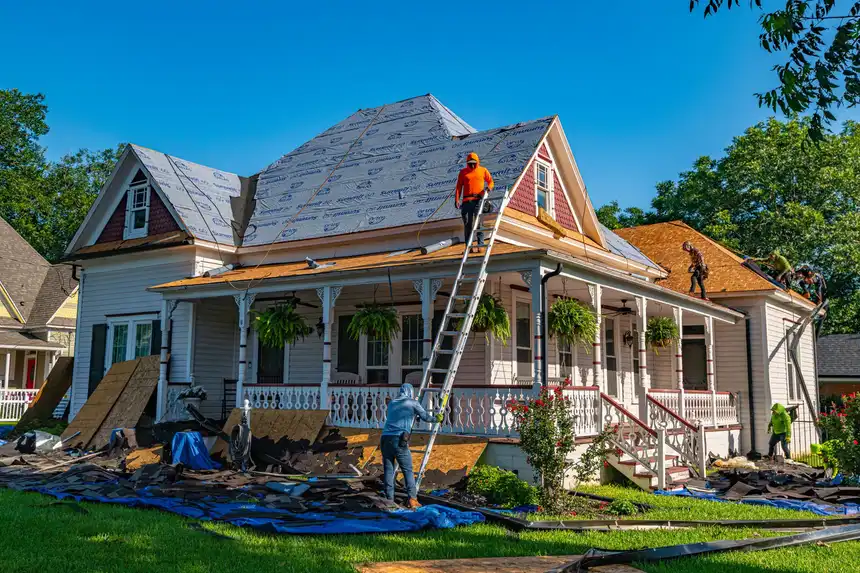
Every service we offer is delivered by our own crews, not subcontracted out. In West Islip that matters, because the roof stock here ranges from 20-year-old three-tab shingles to newer architectural shingle systems and flat modified bitumen over garages. If you are searching for a roofing contractor West Islip NY near me, here is exactly what we do and how it looks on a West Islip roof.
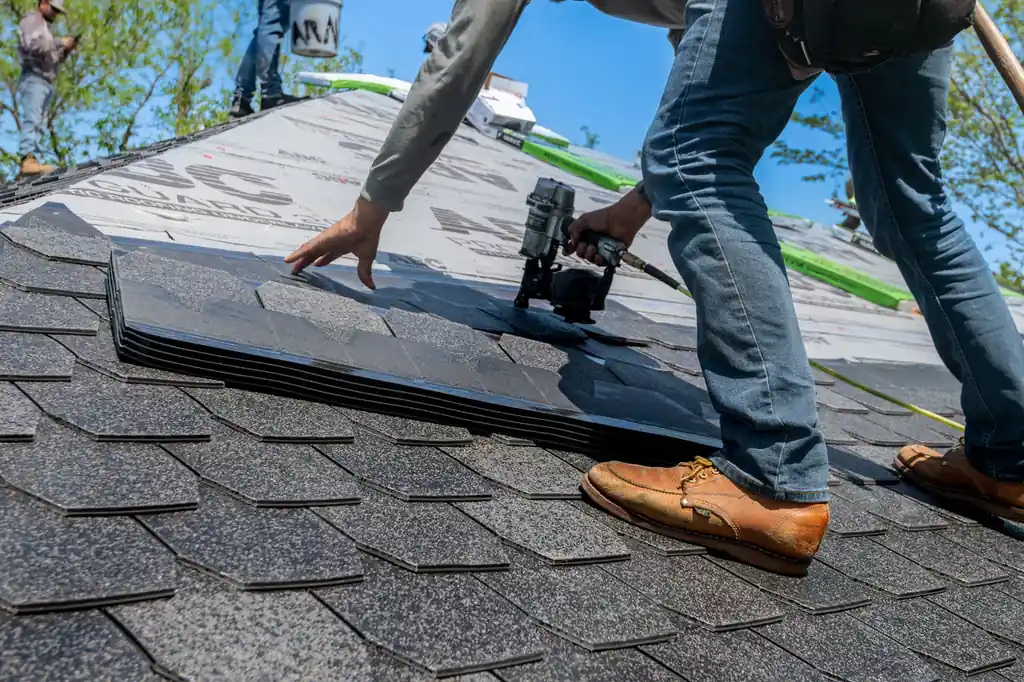
New roof installation in West Islip starts with a deck inspection, ice and water shield at the eaves, and synthetic underlayment across the field. We set chalk lines for straight courses, hand-nail ridge caps, and install ridge vent and drip edge to code. Most West Islip installs use GAF or Owens Corning architectural shingles rated for coastal wind zones.
View service →02Full tear-off and replacement for West Islip homes, typically 1,800 to 2,600 square feet of roof area. We strip to the sheathing, replace any rotted decking, and rebuild the system from ice and water shield up. Most jobs finish in two to three days, and we magnet-sweep the lawn and driveway before we leave.
View service →03Most West Islip roof repairs are flashing failures, wind-lifted shingles, or nail pops around vents and chimneys. We diagnose with a full attic and roof inspection, then repair the actual source instead of smearing sealant over it. Typical repairs run two to four hours and carry a workmanship warranty.
View service →04A West Islip roof inspection covers shingle condition, flashing, valleys, ridge vent, attic ventilation and any sign of ice dam or ponding water. We photograph everything and give you a written report with photos. Inspections take about 60 to 90 minutes and are the right first step before any insurance claim.
View service →05Annual maintenance keeps West Islip roofs ahead of tree debris and salt air. We clear valleys and gutters, reseal pipe boots and chimney flashing, check ridge vent fasteners, and replace any cracked shingles. A yearly visit typically costs far less than the repair it prevents.
View service →06When a nor'easter peels shingles off a West Islip roof at 2 a.m., we answer. Emergency roof repair in West Islip NY runs 24/7, and we stabilize the roof first, then schedule permanent repairs. We document everything with photos for your insurance claim.
View service →07Tarping stops water from spreading after storm damage, tree strikes or sudden flashing failures. We carry heavy-duty tarps and secure them over the ridge and eaves so wind cannot lift them. In West Islip we can usually have a tarp on the roof within a few hours of your call.
View service →08Roof leaks rarely start where the stain shows. We trace water through the attic, check chimney flashing, skylight curbs, valleys and vent boots, then repair the true entry point. West Islip's wind-driven rain pushes water sideways into seams that a calm-day inspection would miss.
View service →09After a coastal storm, West Islip roofs take wind damage on the windward slope and along ridges. We inspect, photograph, tarp if needed, and repair to manufacturer spec so your warranty stays intact. We also provide the documentation your insurance adjuster will ask for.
View service →West Islip sits in a coastal flood zone, so we plan every job around wind exposure and water management. On pitched roofs we install ice and water shield at least two courses past the interior wall line, which is stricter than the minimum NY building code and standard practice for this ZIP. Crews set ladder stabilizers on gutters rather than leaning ladders into the fascia, and every technician on a West Islip roof wears a safety harness tied to a ridge anchor. We stage materials in the driveway and use a roofing broom and magnet sweep at the end of each day, because nails in the grass are a real problem on smaller lots. If you need roof repair in West Islip New York same-day, call before noon and we can usually have a tech on the roof that afternoon.
Wind-driven rain pushes water uphill under shingle edges and lifts ridge caps, which is why so many West Islip leaks show up after a storm rather than during one. Standard nailing patterns are not enough on the windward slope. We hand-seal ridge caps, use six nails per shingle in high-wind zones, and install starter strip along eaves and rakes. On replacements we upgrade to a shingle rated for 130 mph and add ice and water shield at all valleys and penetrations.
West Islip's mature street trees drop leaves, seed pods and small branches into roof valleys and gutters every fall. When that debris sits, water backs up under shingles and rots the fascia and soffit. We clear valleys by hand, not with a blower, and flush gutters to confirm flow. On roofs with heavy canopy we recommend gutter guards and a fall maintenance visit so debris never gets a chance to dam water at the eaves.
Many West Islip homes near Montauk Highway still have original decking and multiple shingle layers from past re-roofs. That adds weight, hides rot, and makes leak tracing harder because water can travel between layers. We inspect the attic first, then strip to the sheathing on any roof with two or more layers. Rotted decking gets replaced, not covered, and we photograph the deck before the new underlayment goes down so you can see exactly what was there.
Roof replacements in West Islip must meet current sheathing thickness and fastener schedules, and inspections are required on structural work. We pull the permit and meet the inspector on site so nothing delays your project.
Parts of West Islip fall in a coastal flood zone, which can affect how roof-mounted equipment and certain attachments are secured. We check the property's zone before designing any rooftop work so the installation passes review.
West Islip roofs deal with a specific combination of coastal wind, salt air, tree debris and older housing stock. That mix produces a predictable set of problems, and knowing which ones hit this town hardest is how we plan every repair and replacement. If you want the best Roofing West Islip has to offer, start by understanding what actually fails here.
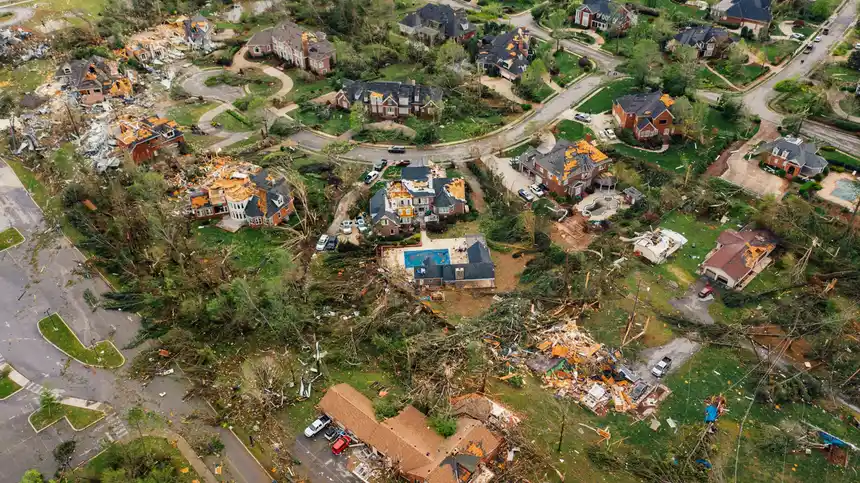
Nor'easters and coastal storms drive wind straight off the Great South Bay. Ridge caps and the windward slope take the highest uplift, and standard nailing patterns are not enough. Most West Islip wind damage shows up as lifted or missing shingles after a single bad storm. We hand-seal ridge caps, use a six-nail pattern in high-wind zones, and install starter strip at eaves and rakes. On replacements we upgrade to shingles rated for 130 mph so the next storm is not a repeat call.
Flashing takes the worst of the coastal temperature swings, expanding and contracting until sealant cracks and metal pulls away from masonry. West Islip's wind-driven rain then pushes water sideways into those gaps. It is the single most common leak source we find here. We rebuild flashing systems instead of resealing them. New step flashing, counterflashing and coastal-rated sealant, followed by a water test before we close up. It costs more than a tube of caulk and it actually stops the leak.
Older West Islip homes often have inadequate attic insulation and blocked soffit vents. Warm air escapes into the attic, melts snow at the ridge, and the water refreezes at the cold eaves. The result is water backing under shingles and staining ceilings. We treat the cause, not the symptom. Air sealing, insulation upgrades and balanced intake and exhaust ventilation keep the roof deck cold and the attic dry. That stops ice dams and cuts your heating bill at the same time.
Many West Islip homes have low-slope rear additions and detached garages with modified bitumen or older membrane. Over time the membrane sags, drains clog with debris, and water sits. Standing water finds every seam and eventually gets inside. We correct the slope, clear or add drains, and install a new TPO or modified bitumen system with properly detailed edges and penetrations. On flat roofs, drainage design matters more than the membrane brand.
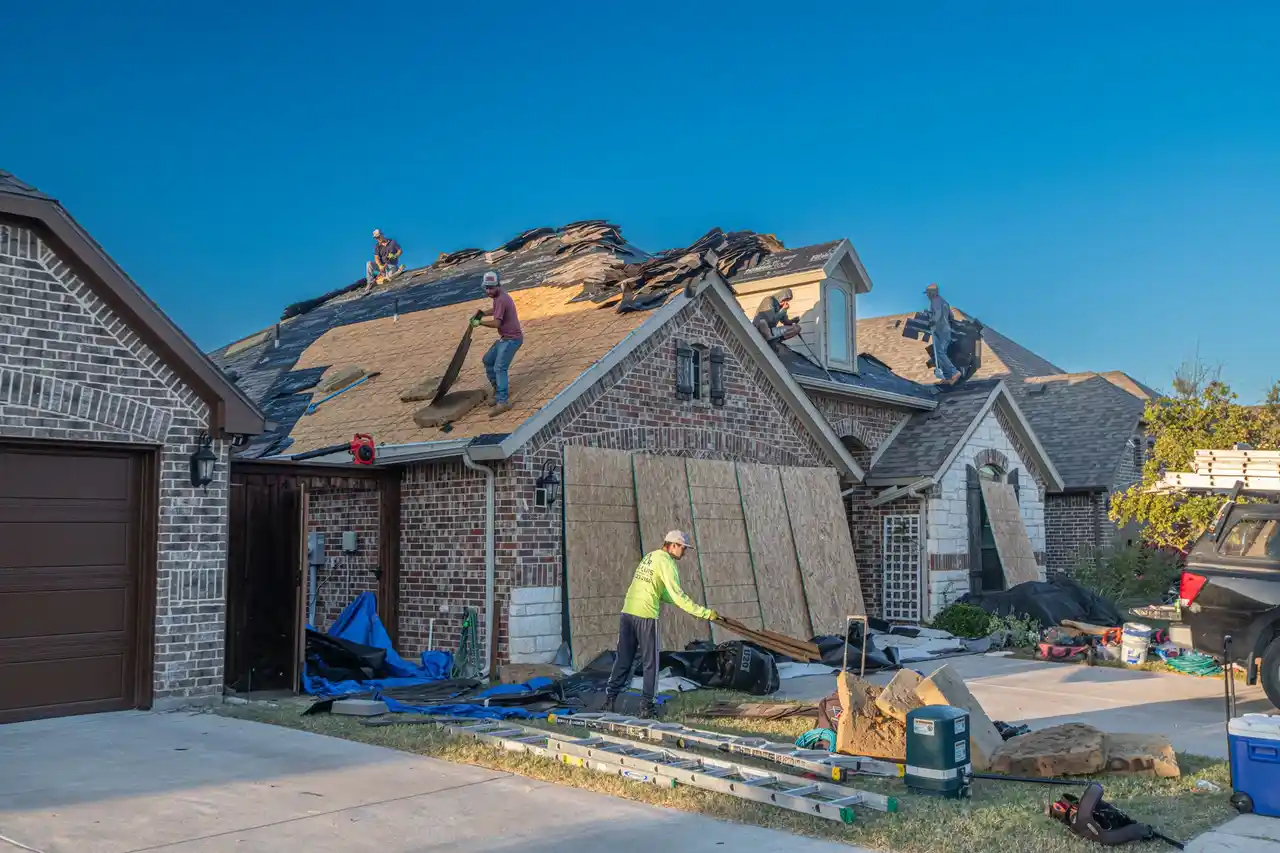
West Islip is a compact town, but the streets near the water can be confusing if you do not know the area. We use the West Islip Public Library on Montauk Highway as a central reference point, and Good Samaritan Hospital as the anchor for the eastern side of town. The beach streets off the bay are narrow with low wires, so we park the trailer on the wider cross streets and carry materials in. Knowing where the school zones and bus routes run keeps our morning arrivals on schedule.
A central reference point on Montauk Highway that helps us orient crews to the surrounding residential streets and plan the fastest route to a job.
The main anchor on the eastern side of West Islip. We use it to route around hospital traffic and reach the neighborhoods behind it without getting stuck on Montauk Highway.
The southern edge of town and the reference point for the beach streets. Knowing the beach access points helps us stage equipment on the wider cross streets rather than the narrow waterfront blocks.
The bay defines the southern boundary of West Islip and the wind exposure on those roofs. It is the geographic marker we use when discussing coastal wind zones with homeowners.
The main east-west corridor through town and our primary route between jobs. Most commercial properties we service sit directly on or just off this road.
A mix of small retail, service businesses and professional offices running through the center of West Islip. Most buildings have flat or low-slope roofs, which is why TPO and modified bitumen work makes up a large share of our commercial calls here.
Runs the length of West Islip and connects directly to Babylon and Bay Shore. It is our main route for both residential and commercial service calls.
Just west of West Islip, this station and its surrounding parking areas are a useful reference point for jobs on the western edge of town.
We work across all of West Islip, from the streets closest to the bay to the inland blocks near the Babylon line. Response times are short because we are based in the area, and our crews know which streets have tight driveways, low wires, or steep pitches that need extra setup time.
The inland blocks closer to the Babylon town line have a mix of ranches and colonials, many with original 1960s roof structures. Tree cover is heavy here, so valley debris and moss on north-facing slopes are the most common calls we get. Ten minutes from our staging area, so emergency tarping is usually on the roof within a couple of hours.
Closer to the Great South Bay, these homes see more salt air and wind exposure. Roofs here tend to fail at flashing and fasteners before the shingles wear out, and low-slope rear additions are common on the older capes. Quick access via Montauk Highway, with most service calls reached in under 20 minutes.
Properties nearest the beach take the full brunt of coastal storms. Wind damage, lifted ridge caps and salt-corroded fasteners show up here first, and many homeowners need annual maintenance rather than waiting for a failure. Direct route down the beach streets, so storm response is fast when a nor'easter rolls through.
The commercial and mixed-use stretch along Montauk Highway includes small retail buildings, offices and multi-unit properties with flat or low-slope roofs. TPO and modified bitumen systems dominate here, and ponding water is the recurring issue. On the main route, so commercial calls and after-hours emergency work are easy to reach.
These are three jobs from the past year that show what West Islip roofs actually need. Different neighborhoods, different problems, same approach: find the real cause, fix it to spec, and document everything.
A homeowner near the beach called after a nor'easter because water was coming through the ceiling around the chimney. Two previous contractors had sealed the chimney without fixing it. We inspected the attic and found the step flashing had corroded and pulled away from the masonry. We rebuilt the entire chimney flashing system with new step flashing, counterflashing and coastal-rated sealant, then water-tested it with a hose before closing up. No leaks through two subsequent storms. The repair took one day and cost a fraction of the ceiling repair the homeowner had already priced out.
A 1962 ranch in North West Islip had three layers of shingles, visible sagging along the eave, and a leak that had been traced to three different locations by other roofers. We stripped all three layers to the sheathing, found and replaced 14 feet of rotted decking, and installed a new GAF architectural shingle system with ice and water shield, synthetic underlayment, ridge vent and new drip edge. Full replacement completed in three days. The homeowner's insurance covered the decking repair, and the new roof carries a 50-year manufacturer warranty.
A small retail building on Montauk Highway had standing water on a flat roof after every rain, and the tenant was complaining about a persistent drip near a rooftop HVAC unit. We cut out the failed membrane around the unit, installed new TPO with proper slope toward the drain, and added a cricket to move water away from the penetration. Work was done in one day with the business open. Ponding eliminated and the drip stopped. The property owner added the roof to our annual maintenance schedule to keep the drain clear.
We had a leak over the kitchen that two other roofers could not find. These guys went into the attic, traced it to a failed vent boot, and had it fixed the same afternoon. They showed me photos of the repair before they left. No more stain on the ceiling after the last storm.
Full roof replacement on our 1960s ranch. They stripped three layers, replaced rotted decking, and finished in three days. The crew swept the yard with a magnet every evening because we have a dog. Price matched the written estimate exactly, no surprises at the end.
Called at 11 p.m. during a nor'easter when shingles were coming off the front slope. They answered, sent a crew with a tarp, and had the roof secured within two hours. Came back three days later to do the permanent repair and handled all the photos for our insurance claim.
Roofing in West Islip runs on a coastal calendar. Winter storms do the visible damage, but the work that prevents it happens in fall. Here is what each season brings and what you should be doing about it, whether you need emergency Roofing West Islip NY 24/7 or just a maintenance visit.
Spring rain exposes every leak that winter opened up. Flashing failures, lifted shingles and clogged valleys all show themselves in March and April. This is also when homeowners start planning replacements before the summer heat.
Heat and humidity are hard on attic ventilation and shingle life. West Islip attics can hit 140 degrees, which cooks shingles from below and drives up cooling costs. Afternoon thunderstorms also bring sudden wind and hail.
Tree canopy debris is the big story. Leaves and branches fill valleys and gutters across West Islip, and if they sit through winter they dam water at the eaves. This is the most important season for preventive maintenance here.
Nor'easters, ice dams and wind damage define winter in West Islip. Roofs near the bay take the worst of it, and emergency calls spike between December and March. Freeze-thaw cycles also open up flashing seams.
West Islip sits in the middle of our service region, so we cover the towns on both sides without long drive times. If you are in one of the neighboring communities and found us looking for roofing near West Islip, we can help there too. Same crews, same standards, same 24/7 emergency response.
Directly west of West Islip along Montauk Highway, about a 10-minute drive. Many of our West Islip customers have family or rental property in Babylon.
Local coverage and detailsWest of West Islip along the south shore, roughly 15 minutes away. We run shared crews between the two towns most weeks.
Local coverage and details
Just northwest of West Islip, about 12 minutes. Similar housing stock and the same tree canopy and wind exposure issues.
Local coverage and details
North of West Islip, roughly 20 minutes inland. More pitched roofs and fewer flat roof calls than we see in West Islip.
Local coverage and detailsHiring a roofer in West Islip is not complicated if you ask the right questions. The answers tell you quickly whether you are dealing with a real local contractor or someone who will disappear after the check clears. Here are the five questions we think every homeowner should ask, including us.
A legitimate contractor carries a NY State Home Improvement License and general liability plus workers comp coverage. If a crew member gets hurt on your roof and the contractor is uninsured, that becomes your problem. Ask for the certificate, not just a verbal yes.
Structural roof work in West Islip requires a permit and inspection. A contractor who offers to skip the permit is cutting corners you cannot see. Permits also protect you if you sell the house and the buyer's inspector flags unpermitted work.
GAF Master Elite, Owens Corning Preferred and CertainTeed SELECT ShingleMaster certifications mean the manufacturer has vetted the contractor. They also unlock longer warranties. Without certification, your warranty may be limited to the material only.
A written, fixed-price estimate protects you from mid-job surprises. Verbal quotes and open-ended pricing are how homeowners end up paying thousands more than expected. The estimate should list materials, labor, disposal and any decking allowance.
Manufacturer warranties cover materials, not installation. Ask specifically about the labor warranty and how long it runs. A contractor confident in their crews will put it in writing without hesitation.
GAF
Owens Corning
CertainTeed
National Roofing Contractors Association
$2M general liability plus full workers compensation
Member
Member
Most West Islip roof repairs run $450 to $1,200, and full asphalt shingle replacements run $9,500 to $18,000 in 2026. Metal and flat roof systems range from $14,000 to $28,000 depending on size and material. Coastal exposure, roof pitch and the number of existing shingle layers all move the number. We give a written fixed-price estimate after inspecting the roof.
The best roofer in West Islip is the one who pulls permits, holds manufacturer certifications, and gives you a fixed written price. We have worked Suffolk County roofs since 2006, carry GAF and Owens Corning certifications, and warranty our workmanship in writing. Ask any contractor for their license, insurance certificate and warranty terms before you sign.
Yes. We run emergency roof repair in West Islip NY 24/7, including holidays. Storm calls are triaged by severity, and tarping requests come first because stopping water is the priority. If you call before noon for a non-emergency repair, we can usually schedule a same-day visit.
Start with three things: a NY State Home Improvement License, proof of liability and workers comp insurance, and a written fixed-price estimate. Then ask about manufacturer certifications and the workmanship warranty. A contractor who hesitates on any of those is not the one you want on your roof. We provide all of it upfront.
Most West Islip roof replacements take two to three days for a standard home. A single-layer tear-off on a simple ranch can finish in two days, while a three-layer tear-off with decking repairs can run four. Weather and material delivery affect the schedule, and we keep the roof watertight at the end of every day.
Not seeing your question? Our local team can help you understand urgency, scheduling and what to expect.
Ask the local team
Call us at 345324674 and you will reach a person, not a call center. We answer weekdays from 8 a.m. to 6 p.m. and keep an emergency line open around the clock. Most West Babylon estimates are scheduled the same day you call.