Focused arrival windows
Useful updates and clear arrival timing.
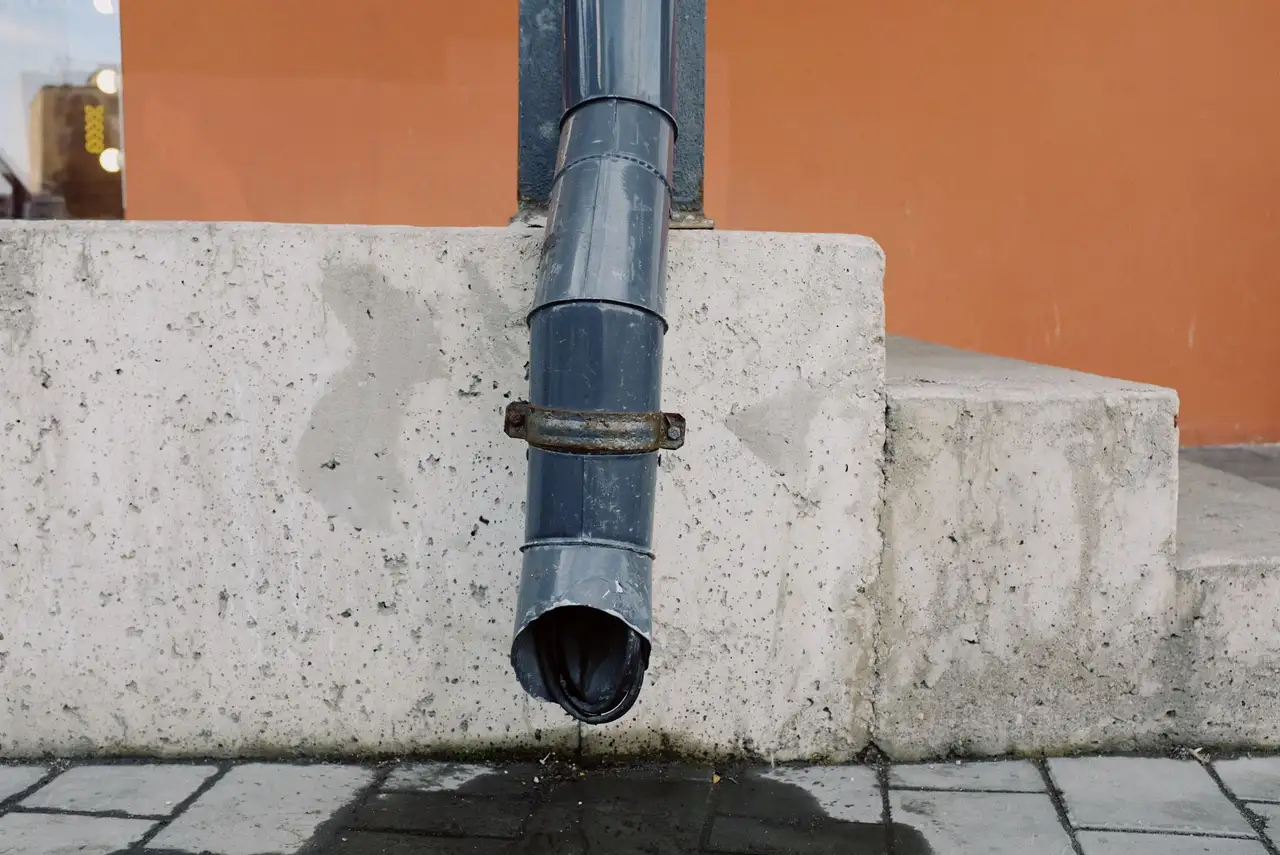
Roofing in Melville means dealing with a mature tree canopy, wind exposure off the Northern State Parkway, and a housing stock that is now 40 to 60 years old. We have worked these streets since 2006. Whether you need a same-day roof repair in Melville, New York or a full architectural shingle replacement, our crews show up when we say we will and leave a clean, code-correct roof behind.
Useful updates and clear arrival timing.
Review the approach and price before deciding.
Equipped vehicles and respectful cleanup.
Neighbors serving neighbors with follow-through.
Roofing in Melville is not the same job as roofing in a newer development. Most homes here were built between the 1950s and 1980s, which means original sheathing, older flashing details, and roofs that have already been replaced once. Add a heavy oak and maple canopy that drops debris on every roof plane, plus open wind exposure along the Long Island Expressway corridor, and you get a service area that demands a contractor who actually knows the streets. We do. Roofing West Babylon has served Melville and the surrounding Suffolk County communities for 20 years, and we treat 11747 as a core territory, not a drive-by. When you search for a roofing contractor Melville NY near me, you want someone who can be on your roof the same week, not a call center three counties away. We handle everything from a single missing shingle to a full commercial roof replacement, and we back our work with a written workmanship warranty.
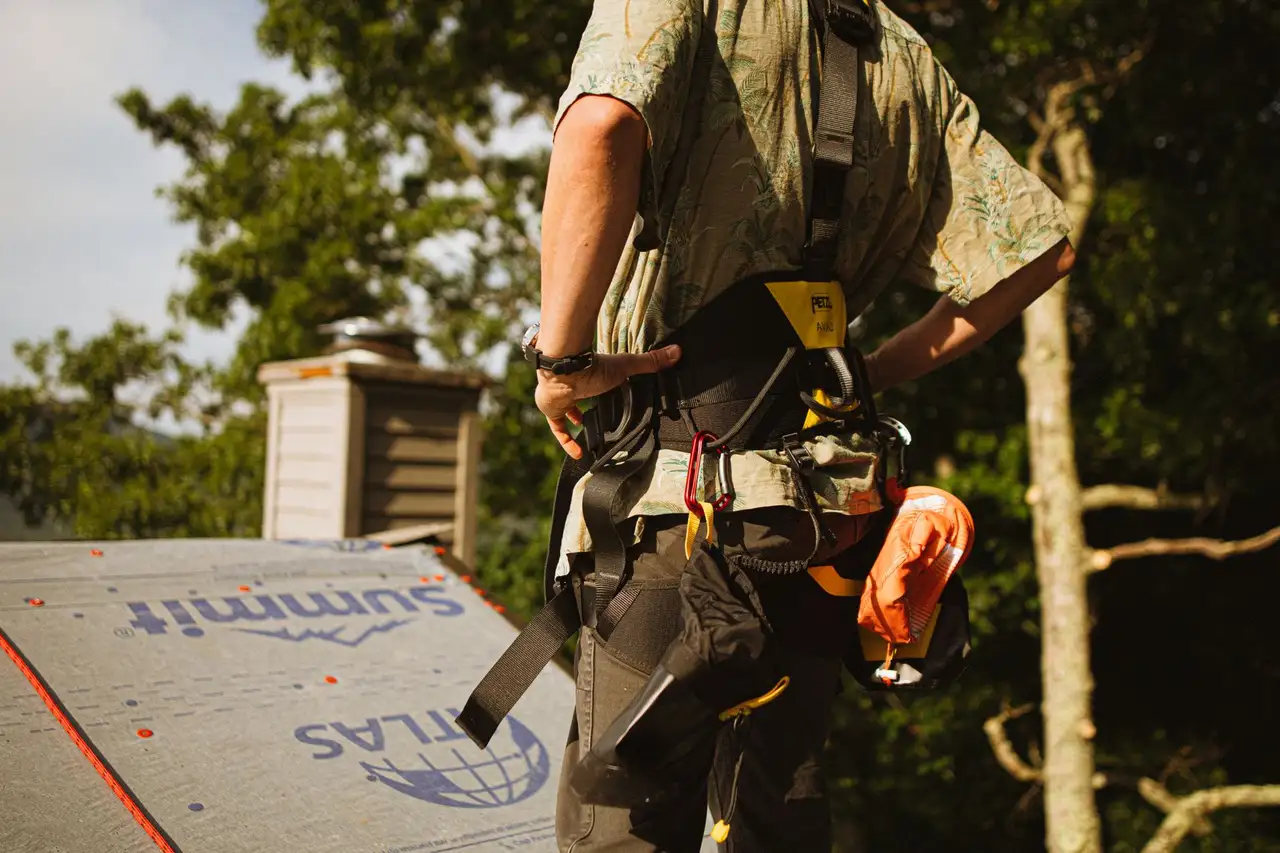
Melville roofs take a beating from tree debris, summer hail, and winter ice. We run full-service roofing out of West Babylon, which puts us 15 to 20 minutes from most of 11747 depending on traffic on the Long Island Expressway. If you need a roofer near Melville NY open now for a leak that started during last night's rain, call us. We keep emergency tarping material on every truck and can usually have a crew at your address within a couple of hours during business hours.
New roof installation in Melville means stripping to the deck, replacing any rotted sheathing, and building up from ice and water shield at the eaves. We install GAF, Owens Corning, and CertainTeed systems, and we spec architectural shingles on most West Hills and North Melville homes because they handle wind uplift better than standard three-tab.
View service →02Most Melville roof replacements run two to three days for a standard colonial. We tear off the old layers, inspect the deck, and install new underlayment, drip edge, and ridge vent. If your attic has been running hot, we will flag it during tear-off and quote roof ventilation upgrades at the same time so you are not paying for a second mobilization.
View service →03Roof repair in Melville covers everything from a cracked pipe boot to a failed chimney flashing. We diagnose first, then fix the actual source. A lot of the leaks we see near the Melville LIRR Station corridor turn out to be flashing failure, not shingle failure, and patching shingles without fixing the flashing just moves the leak six inches.
View service →04A full Melville roof inspection takes 45 to 60 minutes and includes attic access when available. We check shingle granule loss, flashing condition, ridge vent function, and deck soft spots. If you are buying a home in 11747, this is the inspection that catches the ice dam history a standard home inspection misses.
View service →05Melville's tree canopy fills valleys and gutters with debris every fall. Our maintenance plan clears valleys, reseals exposed fasteners, and checks flashing twice a year. Customers on this plan typically get 3 to 5 extra years out of an asphalt shingle roof compared to neighbors who never touch theirs.
View service →06Emergency roof repair in Melville NY 24/7 is real here, not a marketing line. When a nor'easter peels back shingles at 2 a.m., we answer. We stabilize the roof, document the damage for your insurance claim, and schedule permanent repairs once the weather clears. Most emergency calls in this area come from wind damage and fallen limbs.
View service →07Tarping is the first step after storm damage, and doing it wrong causes more damage than the storm. We use reinforced polyethylene tarps secured with cap nails and battens, not bricks and rope. In Melville, where wind exposure is real, a properly battened tarp holds through the next front while you wait for the adjuster.
View service →08We find leaks with water testing, infrared scanning, and attic inspection, not guesswork. Melville homes often show ceiling stains far from the actual entry point because water travels along rafters. We trace it back, repair the source, and re-test before we leave. Same-day roof repair in Melville, New York is often possible for active leaks.
View service →09After a summer storm rolls through Melville, we see lifted ridge caps, torn flashing, and shingles scattered across lawns. We document everything with photos, write a scope your adjuster can work from, and handle the repair. If the damage is widespread, we can tarp first and schedule the permanent fix within the week.
View service →Every Melville job starts with a look at the actual roof, not a phone estimate. We climb it, check the deck, and photograph the problem areas. From there we match the repair or replacement to the building: architectural shingles on the pitched roofs common in West Hills and North Melville, modified bitumen or EPDM on the flat sections you see on commercial buildings near Walt Whitman Mall. Access matters here too. Some of the older streets off the Melville LIRR Station corridor have narrow driveways, so we stage material on the street side and use ladder stabilizers to protect gutters. We pull permits where the work requires it and build to current NY building code, including ice and water shield at the eaves, which is not optional on Long Island. If you have been searching for the best Roofing company in Melville NY, the difference usually comes down to whether the crew does this prep work or skips it.
Debris in valleys and behind chimneys traps moisture, which accelerates shingle deterioration and feeds moss growth. It also clogs gutters and downspouts, pushing water under the eaves and into the fascia. We clear valleys and gutters as part of every maintenance visit, and we recommend gutter guards on heavily wooded lots. During repairs, we check the areas where debris collects most, because that is where the next leak usually starts.
Open corridors funnel wind across roofs, lifting ridge caps, tearing flashing, and pulling fasteners. Damage often shows up on the windward slope first, and it can go unnoticed until the next rain. We use six-nail patterns on architectural shingles and manufacturer-approved fastening schedules for high-wind zones. After any significant wind event, we inspect ridge caps and flashing on the exposed slopes, not just the visible shingle field.
Homes built in the 1950s through 1980s often have deck boards that have softened around penetrations and chimneys. Flashing details from that era do not meet current standards, so leaks develop at chimneys, skylights, and vents. We probe the deck during tear-off and replace any soft sheathing before installing new underlayment. Every penetration gets new flashing built to current code, and we upgrade chimney and skylight details rather than reusing the old ones.
Melville gets enough freeze-thaw cycles each winter to build ice at the eaves. Water backs up under the shingles and shows up as ceiling stains, often far from the actual entry point. We install ice and water shield to code at the eaves and in valleys, and we balance attic ventilation to keep the roof deck cold. If your attic is under-insulated, we quote that at the same time, because ventilation and insulation together are what actually stop ice dams.
Any contractor doing residential roofing in Melville must hold a valid NY State Home Improvement License. Ask for it before work starts. It is your main protection if something goes wrong, and it separates legitimate contractors from storm chasers.
Full roof replacements and structural repairs in Suffolk County typically require a permit. We pull the permit and schedule the inspection, which protects you at resale. Unpermitted roof work can complicate a home sale years later.
New York code requires ice and water shield at the eaves and in valleys on pitched roofs. It is not optional, and it is the single most important detail for preventing ice dam leaks on Long Island. We install it on every replacement.
Melville has a specific set of conditions that drive roof problems: heavy tree cover, wind exposure off the parkways, an aging housing stock, and freeze-thaw cycles every winter. If you have been looking for Melville Roofing help, these are the four issues we see most often.
The flashing details on older Melville homes were built to standards that do not hold up to 40 or 50 years of freeze-thaw cycles. Sealant dries out, step flashing rusts, and water finds its way in at the penetration, not the shingle field. We rebuild the flashing system rather than re-caulking it. New step flashing, counter flashing, and a proper sealant system, plus a check of the chimney crown or skylight curb while we are up there. This is the repair that actually stops the leak.
Melville gets enough winter freeze-thaw to build ice at the eaves. Poor attic ventilation and thin insulation make it worse by keeping the roof deck warm enough to melt snow that then refreezes at the cold edge. We install ice and water shield to code at the eaves and valleys, and we fix the root cause by balancing attic ventilation and bringing insulation up to current standards. Roof work alone will not stop ice dams if the attic is the problem.
The Long Island Expressway and Northern State Parkway corridors funnel wind across Melville roofs. Ridge caps and the windward slope take the brunt, and damage often goes unnoticed until the next rain because it is not visible from the ground. We use six-nail patterns and manufacturer-approved fastening schedules for this wind zone. After any significant wind event, we inspect the ridge and flashing, not just the shingle field, and we document everything for insurance.
Melville's mature oaks and maples shade north-facing slopes and drop leaves and twigs into valleys and gutters every fall. The shade keeps the roof damp, which feeds moss, and the debris traps moisture against the shingles. We remove moss by hand and with approved treatments, clear valleys and gutters, and recommend gutter guards on heavily wooded lots. We also treat the shade and moisture conditions so the moss does not come back the following spring.
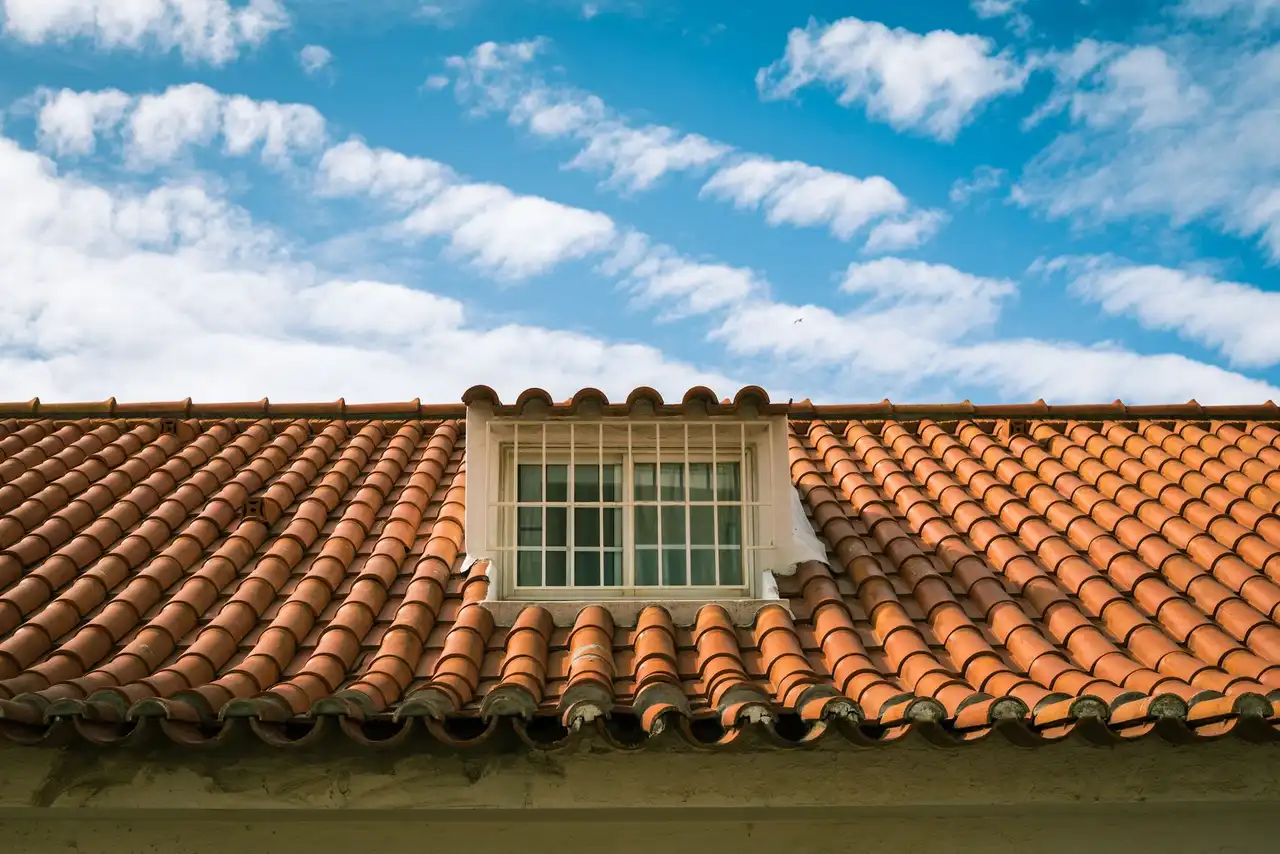
Melville is easy to navigate once you know the landmarks. We route crews using the Long Island Expressway and Northern State Parkway as the main east-west spines, then cut down Route 110 to reach the residential streets. The Melville LIRR Station and the Walt Whitman Mall area are our two main orientation points for the commercial and commuter-heavy sections of town. When a customer gives us an address near the Melville Public Library, we know exactly which side streets to take and where to stage the truck without blocking driveways.
A central orientation point on Route 110. When a customer gives an address near the library, we know we are in the heart of the residential grid and can plan parking and staging accordingly.
The station anchors the commuter corridor. Addresses near it often have tighter driveways and street parking, so we plan material drops and ladder placement around commuter traffic.
A major retail landmark on the Route 110 corridor. It helps us orient commercial roof calls in the surrounding office and retail buildings and plan around peak shopping traffic.
The main east-west highway through Melville. We use it to route crews quickly, and we account for its wind exposure when specifying fastening patterns on nearby roofs.
The second major east-west route. It is often faster than the LIE for reaching West Hills and the northern sections of Melville, especially during rush hour.
The Route 110 corridor through Melville is a mix of retail, office, and light industrial buildings, many with flat or low-slope roofs. This is where most of our commercial roofing work in Melville happens.
The retail district around Walt Whitman Mall includes larger commercial buildings with flat roof systems. We schedule commercial work here around business hours to avoid disrupting operations.
The station sits on the Port Jefferson Branch. It is a useful orientation point for the commuter-heavy residential streets nearby, where parking and staging need extra planning.
The LIE runs directly through Melville, giving our crews fast east-west access. It is our primary route for reaching most of 11747 within 15 to 20 minutes.
We work all of Melville, from the upscale colonials in West Hills to the smaller ranches near South Huntington. Our crews know the streets, the tree cover, and the roof types in each area. If you are not sure whether your address falls in our service zone, call us and we will tell you straight.
West Hills has some of the larger, upscale homes in Melville, many with complex rooflines, multiple dormers, and steep pitches. These roofs need careful flashing work and often use architectural shingles or standing seam metal. Tree cover is heavy, so debris and moss are constant concerns. About 10 minutes from our West Babylon staging area via the Northern State Parkway.
North Melville mixes larger colonials with some older capes and ranches. Many roofs here are on their second or third layer, and we frequently find deck issues during tear-off. Wind exposure is higher on the north side, so ridge cap and flashing failures are common after storms. Roughly 12 to 15 minutes depending on Long Island Expressway traffic.
South Melville has a lot of mid-century ranches and split-levels with lower-slope roofs. These are prone to ice dams and algae streaking, and the smaller roof areas mean replacements go faster. Many homeowners here are on maintenance plans because the tree canopy is dense. About 15 minutes from our yard, straight up Route 110.
The South Huntington edge of Melville has a mix of older homes and some newer construction. Roof ages vary widely, so we see everything from first-time repairs to full tear-offs on the same street. Proximity to the Northern State Parkway means wind-driven rain hits the east-facing slopes hard. Typically 10 to 12 minutes via the Northern State Parkway or local roads.
These are real jobs we have done in Melville over the past couple of years. They show the range of problems we see here and how we solve them. Names are omitted, but the neighborhoods and details are accurate.
A West Hills homeowner had a persistent ceiling stain in the master bedroom that three other contractors had failed to fix. The leak only showed up during heavy wind-driven rain. We water-tested the roof and traced the leak to failed step flashing on the chimney, not the shingles. The previous repairs had all focused on the shingle field. We rebuilt the chimney flashing with new step and counter flashing, replaced the damaged underlayment, and re-sealed the penetration. No leaks through two subsequent storm seasons. The homeowner also signed up for our twice-yearly maintenance plan after seeing how much debris the chimney area collects.
A commercial building near the Route 110 corridor had ponding water on a flat modified bitumen roof, and the tenant was reporting ceiling leaks in two spots. We inspected the roof, found the drainage was inadequate and the membrane had failed at the seams. We installed tapered insulation to correct the slope, replaced the failed membrane sections, and added a new drain. Work was scheduled on weekends to avoid disrupting the tenant. Ponding eliminated and no leaks reported in the 18 months since. The building owner now has us inspect the roof annually before winter.
A South Melville ranch had ice dams every winter, causing water to back up under the shingles and stain the ceiling along the north wall. We replaced the roof with new architectural shingles and installed ice and water shield to code at the eaves. At the same time, we addressed the root cause by improving attic ventilation and adding insulation to bring the R-value up to current New York standards. The homeowner reports no ice dams in the two winters since, and their heating bill dropped noticeably. The roof replacement and insulation work were done in three days.
We had a leak that three other roofers could not find. These guys water-tested the roof, found the chimney flashing was the problem, and fixed it in one visit. No more stain on the ceiling. They also cleaned up every nail from the driveway, which I appreciated with two kids and a dog.
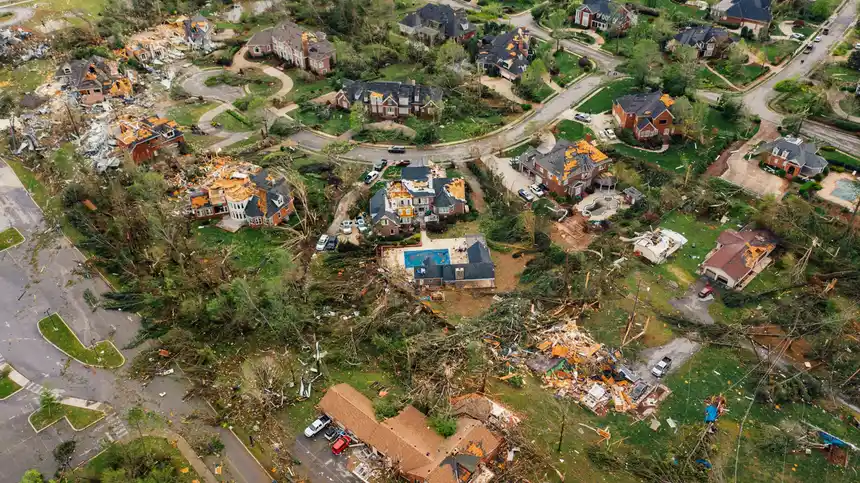
After the storm last summer, we had shingles all over the lawn. They came out the same day, tarped the roof, and documented everything for our insurance claim. The adjuster approved the full replacement, and the crew had it done in two and a half days. Straightforward pricing, no surprises.
We use them for our commercial building near Route 110. They scheduled the flat roof repair on a weekend so our tenants were not disrupted, and they fixed the ponding issue that had been causing leaks for years. They also set us up on an annual inspection, which has caught two small issues before they became problems.
Melville sees all four seasons clearly, and each one puts a different kind of stress on your roof. As we head into winter 2026, ice dam prevention and flashing checks are the priority. Here is what to expect through the year and what to do about it.
Spring rain exposes any flashing or shingle damage that winter left behind. Ice dam damage often shows up now as ceiling stains. Tree pollen and debris also start collecting in valleys and gutters.
Heat and UV dry out shingles and accelerate granule loss. Afternoon thunderstorms can bring hail and high winds that lift ridge caps and tear flashing. Attics run hot, which stresses ventilation and insulation.
Falling leaves fill valleys, gutters, and downspouts, trapping moisture against the roof. This is the season when clogged drainage causes the most water damage. It is also the last good window for roof work before winter.
Freeze-thaw cycles build ice dams at the eaves, and wind-driven snow finds every flashing gap. Ice dam leaks often show up as ceiling stains during a thaw, far from where the water entered.
Melville sits in the middle of our service territory, which means we can reach most of western Suffolk County quickly. We run crews out of West Babylon and cover the surrounding towns on the same schedule. If you are in one of the neighboring communities and need roofing, we can usually get someone out within a day or two, and faster for emergencies.
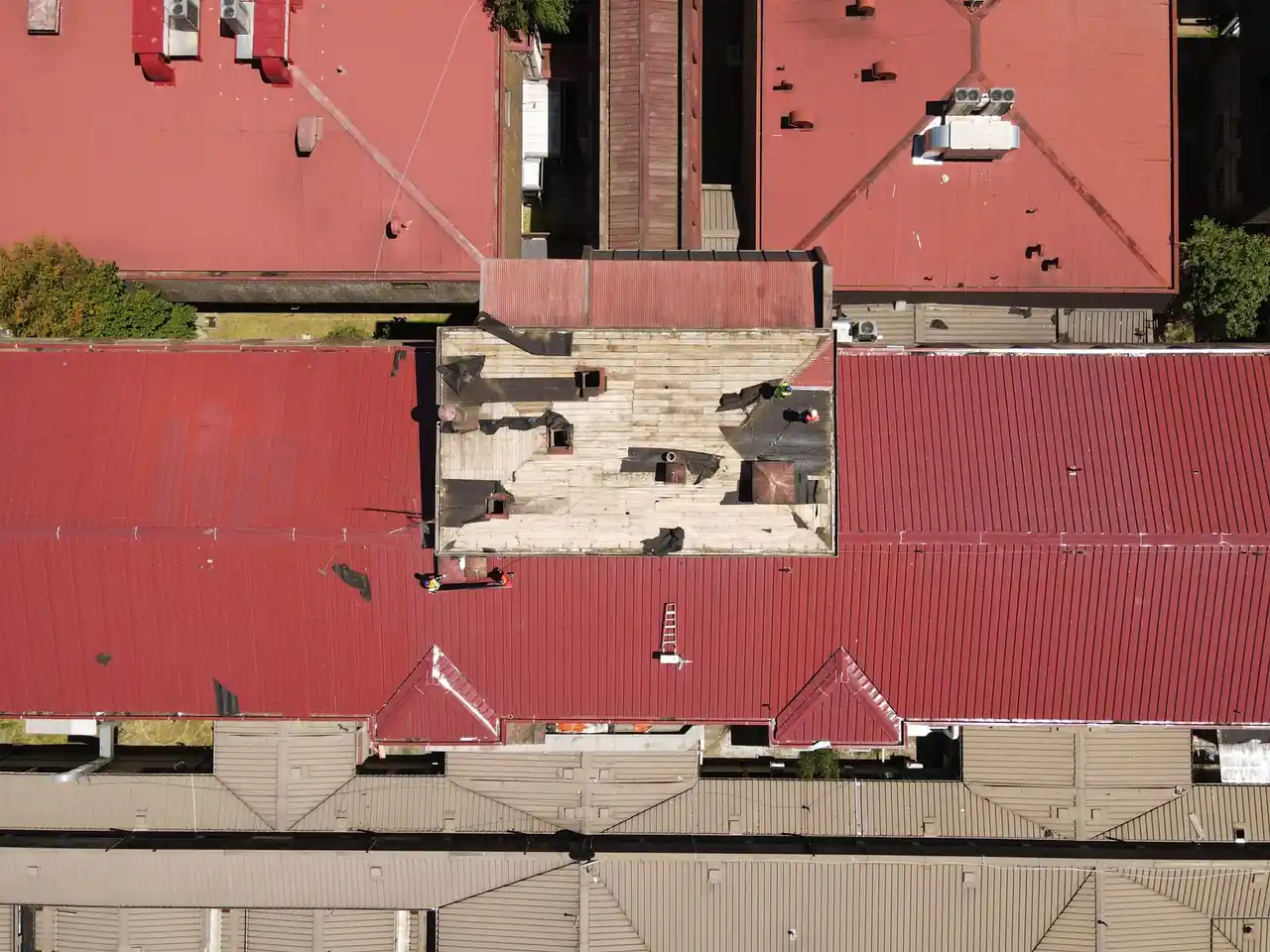
About 15 minutes south of Melville. We serve Babylon homeowners on the same schedule and often combine routes for efficiency.
Local coverage and details
Roughly 20 minutes south. Lindenhurst has a lot of older homes with similar roof issues to South Melville, so the same crews often work both areas.
Local coverage and details
About 15 minutes southwest. Many North Babylon customers find us through Melville referrals, and we cover both areas on the same daily routes.
Local coverage and details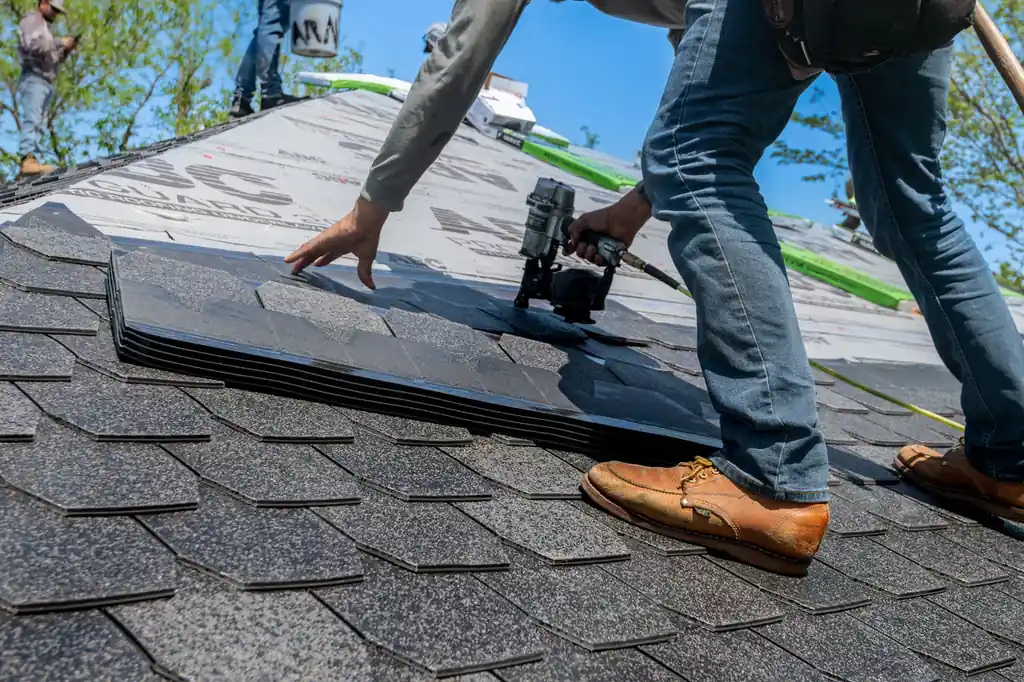
Roughly 10 minutes east. Deer Park is close enough that we can often respond to emergency calls there within the same window as Melville.
Local coverage and detailsMelville homeowners ask good questions, and they should. A roof is a big purchase, and the difference between a contractor who does it right and one who cuts corners usually shows up two or three years later. Here are the five questions that separate the two.
A valid NY State Home Improvement License and active liability and workers comp coverage protect you if something goes wrong on your property. Ask to see the certificate, not just hear that they have one.
GAF Master Elite, Owens Corning Preferred, and CertainTeed SELECT ShingleMaster certifications mean the manufacturer has vetted the contractor. They also unlock stronger material warranties that a non-certified roofer cannot offer.
Roof replacements in Suffolk County usually need a permit. A contractor who skips it is cutting a corner that can cost you at resale. Ask who pulls it and who schedules the inspection.
Material warranties cover the shingles, but workmanship warranties cover the installation. Ask how long it lasts and what it actually includes. A written workmanship warranty is a sign the contractor stands behind the labor.
Older Melville homes often have soft sheathing around penetrations. Ask how the contractor prices deck repairs and whether they will show you photos before proceeding. The answer tells you whether the quote will hold.
GAF
Owens Corning
CertainTeed
Occupational Safety and Health Administration
Occupational Safety and Health Administration
$2M general liability and full workers compensation
Member
Member
Most repairs in Melville run $450 to $1,200, and a full asphalt shingle replacement on a standard home runs $9,500 to $18,000 in 2026. Metal and complex roofs go higher. The biggest price drivers here are roof complexity, the number of layers to tear off, and whether the deck needs repair. We give you a written estimate before any work starts.
The best roofer in Melville is the one who holds a valid NY State Home Improvement License, carries manufacturer certifications like GAF Master Elite or Owens Corning Preferred, and can show you local references. We have served Melville for 20 years and can put you in touch with past customers in your neighborhood. Ask any contractor for the same.
Yes. We answer emergency calls 24/7 and aim to have a crew at your Melville address within a couple of hours during business hours. We tarp the roof, document the damage for your insurance claim, and schedule the permanent repair once the weather clears. Most emergency calls here are wind damage and fallen limbs.
Start with the license and insurance, then ask about manufacturer certifications and workmanship warranty. Get a written, line-item estimate so you can compare bids fairly. Ask how they handle deck damage found during tear-off. And check whether they pull the permit, because unpermitted roof work can complicate a home sale later.
A standard Melville colonial takes two to three days from tear-off to final cleanup. Larger or more complex roofs in West Hills can take four to five days. Weather can add a day, especially in winter. We schedule the job in one block so you are not waiting between phases, and we clean the property thoroughly before we leave.
Not seeing your question? Our local team can help you understand urgency, scheduling and what to expect.
Ask the local team
Call us at 345324674 and you will reach a person, not a call center. We answer weekdays from 8 a.m. to 6 p.m. and keep an emergency line open around the clock. Most West Babylon estimates are scheduled the same day you call.